
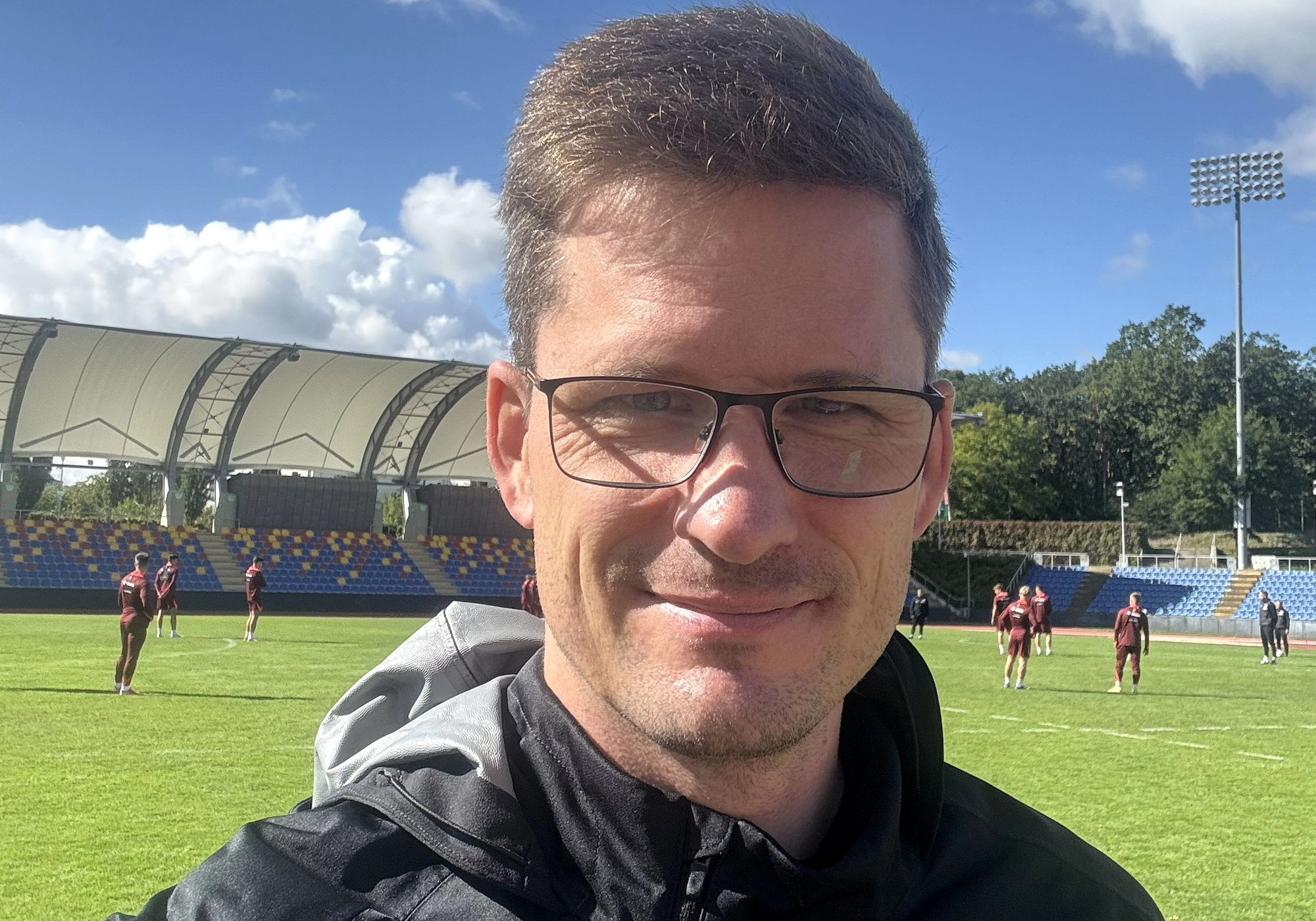
I am writing this from a Poland U-20 training camp in Portugal. Before the first training session started, the staff already had a plan not only for the sessions, but also for the analysis: who does which analysis and when. That is the analysis microcycle.
In this post I show what it looks like for us day by day, how it differs from the training microcycle, and where to start when you have a two-person staff and half an hour a week.
The training microcycle is the weekly plan for working with the team: what we train each day, which drills, which loads, which tactical content. Most staffs have this plan.
The analysis microcycle is the weekly plan of analytical work for the whole staff: who does which analysis, when, and in what form the team and the players receive it. It covers the work of the head coach, the analyst and the assistants - everyone involved in the analysis process.
Most staffs do not have this plan. Analysis happens when there is time, which usually means once: a long post-match meeting, then silence until the next game.
In our staff I distinguish eight types of analysis:
Nobody does all eight every week. The skill is to choose the ones that will influence this week's training and match, and give them a fixed place in the calendar.
The camp starts on Monday and the match is on Friday. This is what the analysis microcycle looks like from Monday to Friday:
Monday. The players arrive from their clubs; some played 90 minutes on Sunday, so the first session is not at full intensity. It is a good day for the own team analysis and the first unit meeting: I present the defenders with the main principles for the week.
Tuesday and Wednesday are the main training days. On Tuesday we work on attacking, on Wednesday on defending.
The pre-training briefing takes about 20 minutes and always has the same structure: how the opponent defends (Tuesday) or attacks (Wednesday), how we want to answer that with our game model, and what we are therefore doing on the pitch in a moment. After the session we review the training.
On Wednesday, individual or unit meetings are added.
Thursday is about our key behaviours and set pieces. On top of that, individual analysis: our own player and the opponent he will face 1v1.
Friday is the rest of the set pieces and the match. During the game and at half-time, live analysis: two or three pieces of information that can change the second half.
Three rules hold this together:
For six years I coordinated analysis at the Legia Warsaw Academy. The work there was long-term: the starting point was the development of the player and the team, and the opponent stayed in the background, mainly on Fridays.
In the national team it is the other way round: we have one week, on Friday we play a match we want to win, so the starting point is the opponent analysis, and what we train follows from it. The older the age group and the higher the level, the more opponent analysis.
In younger age groups - less, and that is fine.
Most coaches I talk to have a two-person staff, work several jobs and have no analyst. The same scheme can be scaled down. I would not start with the opponent or with a long post-match analysis. I would start with three things.
If I had to choose one analytical meeting a week, it would be the unit analysis. Split the positions between you: you take the defenders, your assistant takes the midfielders. Each of you runs one meeting for your group, five to seven players, a few clips from defending and a few from attacking.
In a group like that you can go into detail and talk, not just show. Half of the team does not care whether you marked man to man or zonally in the box - the defenders care a lot. Two unit meetings a week and twelve players have their position covered.
Do you have 30 minutes a week for the staff? Watch the main part of one session together, for example Wednesday's. Everyone says what they worked on with their group. Out of those 30 minutes come two or three clips you show the team on Friday, before the next session or before the match.
Small workload and something you can really implement straight away.
In my view the typical own team analysis is slightly overrated. It takes the weekend, ends with a meeting about every phase of the game for the whole team, and then we go out to a recovery session and little of it remains. I prefer to spread it over three or four micro-analyses during the week.
What it looks like in practice: before Tuesday's defending session the players get one clip from the match. One request: watch the player closest to the ball. In the first action he is at half pace - the ball is travelling and he is jogging.
In the second it is what we want: the ball travels, he sprints, the middle is closed. Two clips, one message. A moment later, in the small-sided game, a reminder is enough: "when the ball travels - sprint", and everyone knows what it means. Low workload, high effect.
If you have access to the opponent's matches, add micro-dosing: one or two things before or during the session ("their build-up structure is…, so ours is…"). That is all.
The same goes for set pieces - at amateur level I would leave them to the end of the queue - first let unit analysis, training analysis and micro-analyses do their work.
The analysis microcycle is not another to-do list for the analyst. It is a simple table: days of the week in the rows, analyses in the columns, and next to each one the name of the staff member who does it. In the national team we fill it completely, because we have the people.
In a small staff three cells are enough: unit analysis, 30 minutes of training analysis and a micro-analysis before training.
🎯 Fewer analyses, but each with a fixed place in the week - that works better than one big meeting on Monday.
If you want to plan a microcycle like this for your own staff and get feedback on it, that is what we do in Mentoring Analiza PRO (in Polish) - I describe the programme here: analiza.pachelski.com/wideo
Kurs analizy i taktyki piłkarskiej dla trenerów i analityków. System z Legii Warszawa i Kadry Polski U-20. Mentoring Analiza PRO -zapisy otwarte.

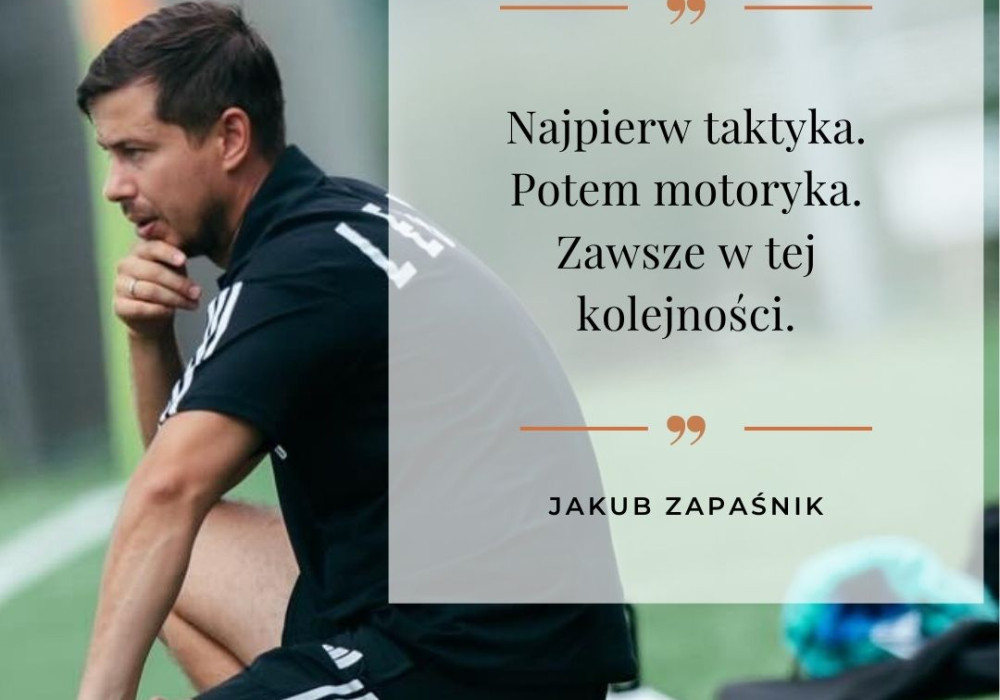
Would you have to choose - fitness or tactics?
Kuba Zapaśnik - a coach with whom we won the U15 Polish Championship - answered without hesitation: "I try to meet the fitness goals. But if I had to choose - I will always choose to make sure the tactical and technical topics align."
Gdybym mógł cofnąć czas i dać sobie coś 10 lat temu – byłby to ten kurs.
Kompleksowy program z analizy w piłce nożnej - wszystko w jednym miejscu. Od narzędzi, przez taktykę, po komunikację. Mentor z feedbackiem. Praktyka z top poziomu. Gotowe portfolio.
Teraz chcę to dać innym.
Wszystko, czego mi brakowało, gdy przedzierałem się przez multum informacji do Kadry Polski i Legii.
Jeśli chcesz zostać specjalistą od analizy – przesyłam link umówienia spotkania.
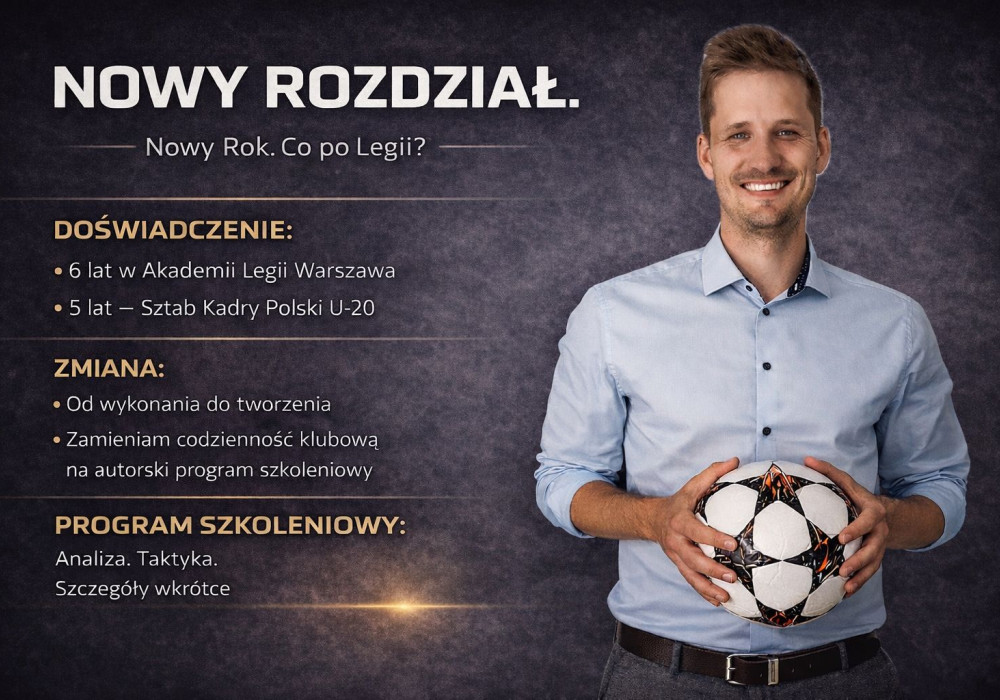
January 1st, 2026 New Year, a good moment for honesty.
Closing the chapter at Legia After 6 years, I have concluded my daily work at the Legia Warsaw Academy. It was not an easy decision. Legia is the place where I learned, developed, and built from the ground up:
Coordination of the Training Analysis Department
Polish Championships
Players in the Ekstraklasa
Conferences: UEFA, ECA, Science4Football
But the moment came when I felt I needed a change. Why?
A new path lies ahead of me.
After six years, I’ve made the decision to leave Legia Warsaw.
Tym razem zapraszam Cię do wywiadu, który zdecydowanie wykracza poza tematykę boiska. To nie była typowa rozmowa o piłce, szkoleniu czy procesach treningowych. Owszem, kilka takich wątków się pojawiło – ale sedno tej rozmowy to coś znacznie głębszego.
To już mój 6. sezon w Legii Warszawa.
Jedną z największych wartości pracy w tak dużym klubie jest to, że co roku walczysz o najwyższe cele.
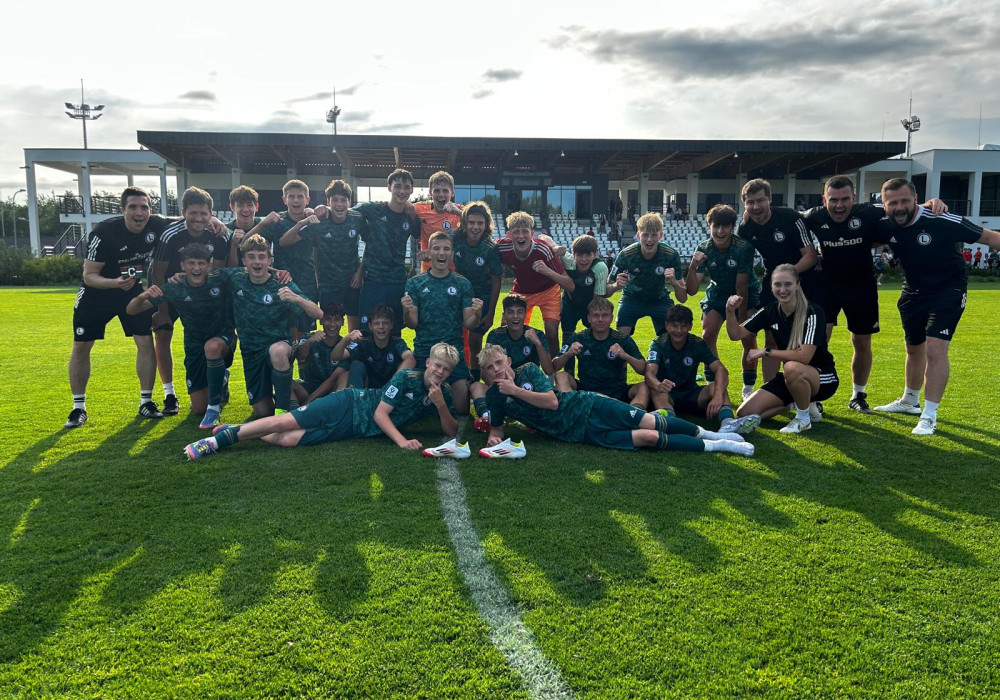
Od kilku lat mam zaszczyt zarządzać Departamentem Analizy Szkoleniowej w Akademii Legii Warszawa. Jednym z naszych stałych działań jest organizacja Szkoleń i Dni Otwartych, które odbywa się dwa razy w roku. Podczas tego wydarzenia otwieramy drzwi naszej Akademii i dzielimy się naszą codzienną pracą z szerszą społecznością. Dla uczestników jest to nie tylko szansa na poznanie naszego funkcjonowania, ale także na doświadczenie atmosfery i dynamiki, która nas napędza.
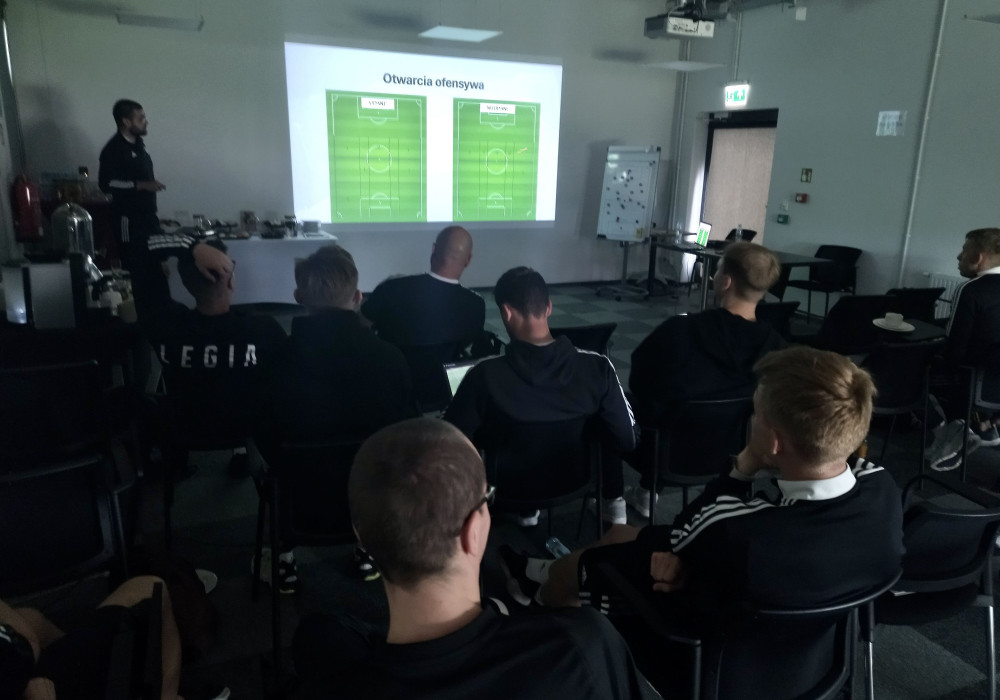
Jak efektywnie wdrożyć zdobytą wiedzę w praktykę pracy z zawodnikami?
Przekonuje mnie koncepcja nauki "LEARN BY DOING" (NAUKA PRZEZ DZIAŁANIE). Ta idea skupia się na praktycznym doświadczeniu jako głównym sposobie nauki. Jak w pełni wykorzystać tę koncepcję w kontekście sportu, zarządzania Akademią?

Aby przekonać innych do podjęcia wyzwania, potrzebujemy czegoś więcej niż tylko słów.
Najlepszym sposobem na zainspirowanie innych jest PROWADZENIE PRZEZ PRZYKŁAD.

Zastanawiasz się, jak najefektywniej ocenić postępy swojego zespołu i czy udało się Wam rozwijać się w obszarze, który jest kluczowy dla Waszej Drużyny czy Akademii?
Aby skutecznie monitorować postępy i osiągać cele, oprócz analizy bieżącej, warto sięgnąć po twardą bazę danych i przeprowadzić Analizę Długoterminową.

Czym jest mikrodozowanie? Jak wygląda w praktyce? Gdzie najlepiej je przeprowadzić i czy przygotowanie do niego wymaga wiele czasu?
Jedno jest pewne - mikrodozowanie ma znaczący wpływ na zawodników. Jest to forma szybka, konkretna i efektywna - czy można chcieć czegoś więcej?
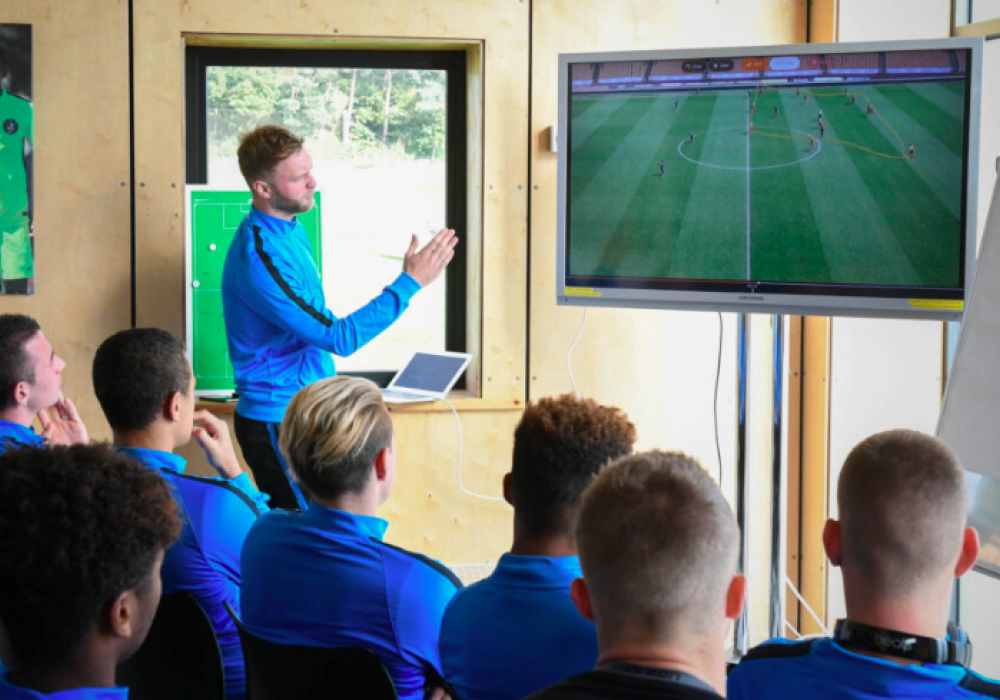
W jednym z podcastów usłyszałem pytanie, które głęboko mnie zainspirowało: WHY SHOULD ANYONE FOLLOW YOU? To pytanie naprawdę zmusiło mnie do głębokiej refleksji. Ostatnio zastanawiałem się, jak wiele uwagi poświęcam ludziom wokół siebie, a jak wiele skupiam na sobie. To pytanie z podcastu było dla mnie bodźcem do zastanowienia się nad moimi priorytetami.

Miałem okazję być prelegentem w klubie Chemik Bydgoszcz, reprezentując Akademię Legii Warszawa. Tym razem skupiliśmy się na Fundamentach Gry - szczególnie na drugim fundamencie, czyli asekuracji ofensywnej (2 FGA).


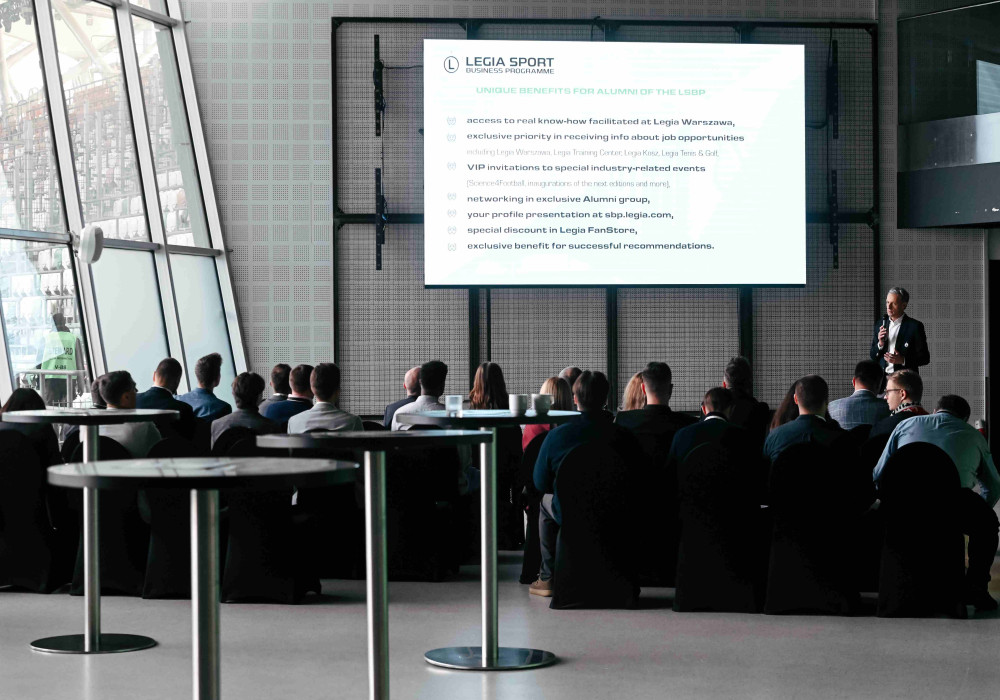
Rozpocząłem nowy etap nauki w ramach Legia Sport Business Programme, gdzie zyskuję cenne doświadczenie od liderów w dziedzinie sportu i biznesu. W ostatniej sesji mówcy Tomasz Zahorski, Dariusz Mioduski, Jeremy Cottino, Jagoda Zakrzewska, i Michał Kanarkiewicz, podzielili się wiedzą na temat STRATEGII W BIZNESIE.
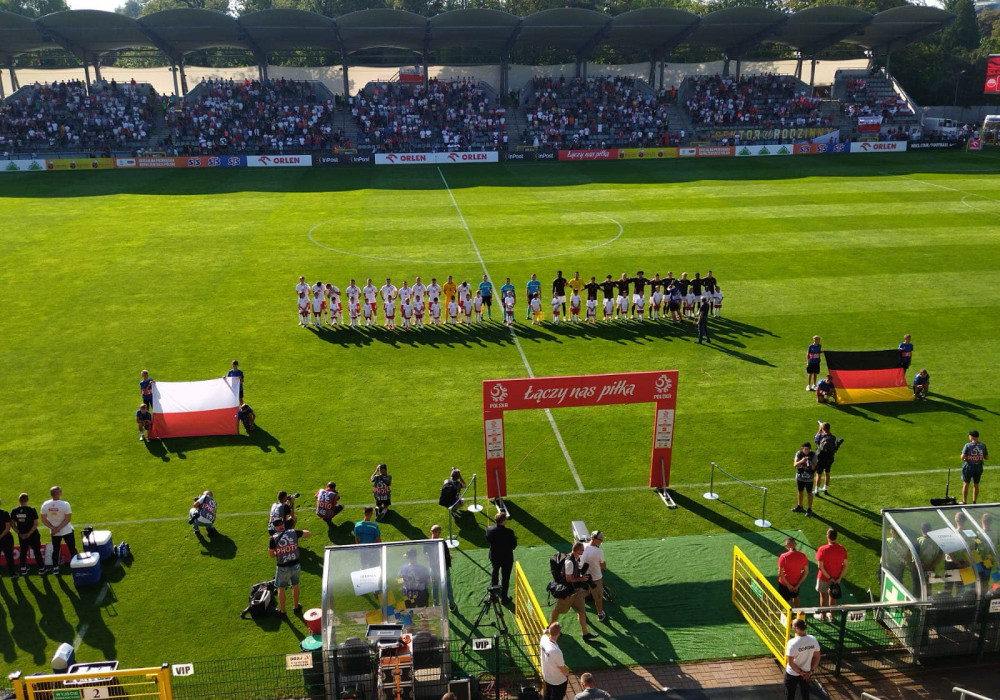
W ostatnim meczu Reprezentacji Polski U-20 spodziewaliśmy się wielu długich podań ze strony przeciwnika, a głównym obszarem pracy z obrońcami była obrona przed tym elementem. Jednym z aspektów, na które zwracaliśmy uwagę, było rozpoznanie momentu, w którym możemy przepuścić piłkę do asekuracji.
Zespoły Roberto De Zerbiego na nowo definiują futbol dzięki swojemu unikalnemu podejściu: kontratakują, posiadając piłkę w ataku pozycyjnym!
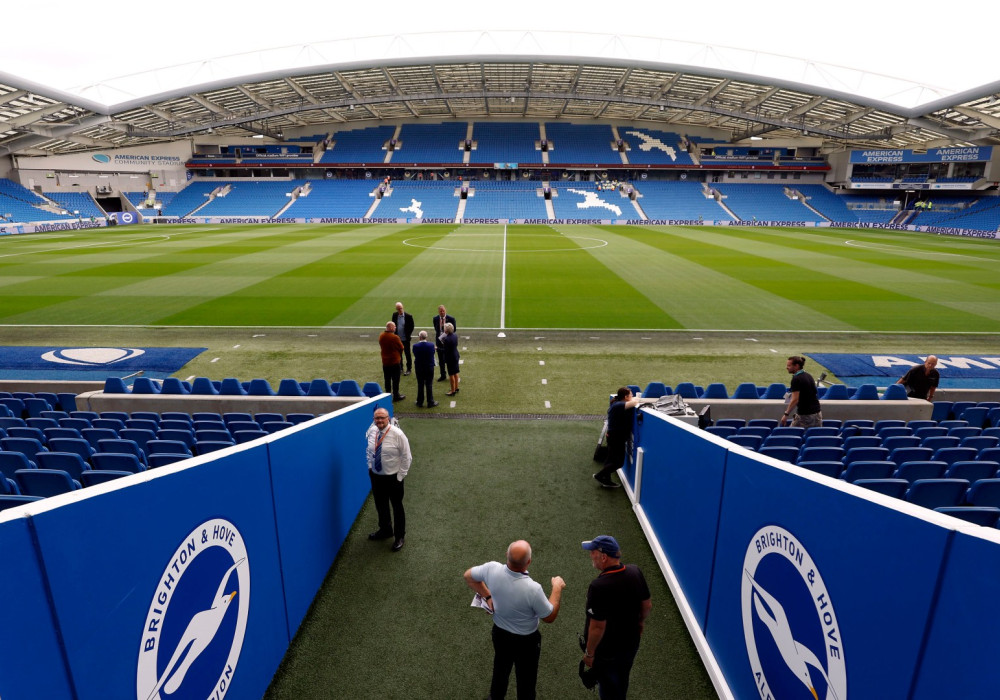
...czyli o stylu zarządzanie zespołem. Menadżer, który pełni również rolę wybitnego psychologa, budując równocześnie partnerskie relacje ze współpracownikami, jest zazwyczaj rzadkim zjawiskiem. Zwykle trudno znaleźć osobę, która skutecznie łączy obie te role.
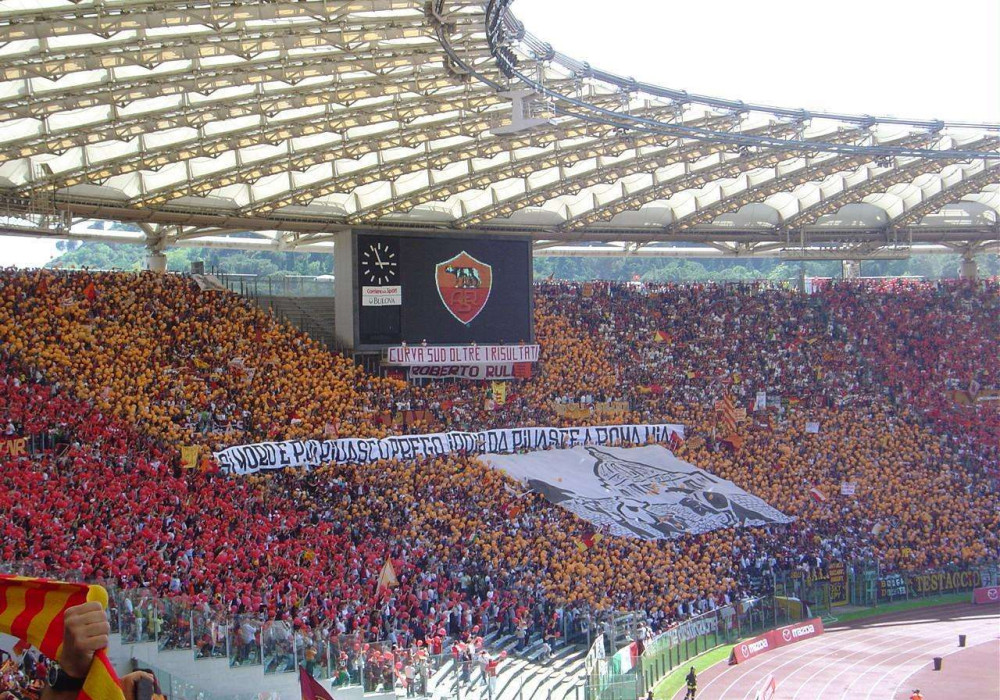
Kontynuujemy omawianie taktycznych detali dotyczących obrońców. Warto podkreślić, że omawiany temat jest uniwersalny i może być stosowany na boisku niezależnie od pozycji zawodników. W poprzednich rozważaniach skupiliśmy się na skracaniu dystansu i obniżaniu sylwetki. Teraz skoncentrujmy się na kolejnych aspektach ważnych w grze 1x1 w obronie, gdy przeciwnik stosuje grę po trójkącie

Granica między wygraną a przegraną jest niezwykle delikatna i cienka. Doskonałym przykładem może być sytuacja Legii Warszawa w 2023 roku. Spośród 18 meczów rozegranych od stycznia do czerwca, aż 12 (66%!) zakończyło się różnicą wyniku nieprzekraczającą jednej bramki. To zadziwiający fakt, który ukazuje, jak małe szczegóły mogą mieć ogromne znaczenie w profesjonalnym futbolu. Często to właśnie niuanse i ostatnie chwile meczu decydują o wyniku. Kluby inwestują ogromne kwoty w pozornie drobne aspekty, szukając elementów, które mogą dać im przewagę nad konkurentami. Niestety, kultura organizacyjna często jest zaniedbywana, pomimo że ma nieoceniony wpływ na długoterminowy sukces.

Skupiać się na korzeniu, a nie na owocu, to kluczowe podejście nie tylko w ogrodzie, ale także w sporcie i życiu. Często skupiamy swoją uwagę na efektach końcowych, na tym, jak zachwycająco prezentują się owoce triumfu, tymczasem zapominamy o fakcie, że to właśnie starannie pielęgnowane korzenie stanowią fundament i źródło tego sukcesu.
Jak już wspomniałem w jednym z moich poprzednich wpisów, jednym z moich głównych zadań w reprezentacji Polski, a także w ubiegłym sezonie w drugiej drużynie Legii Warszawa, było szkolenie środkowych obrońców.
Koncentrowałem się przede wszystkim na ich zachowaniach w fazie obronnej. W ciągu kolejnych wpisów chciałbym podzielić się z Wami najważniejszymi zasadami gry na tej pozycji, na które zwracałem uwagę zawodnikom. Z tej inicjatywy powstaje cykl "Taktyki z Pachelskim", w którym regularnie będę analizował wybrane aspekty gry.

Po ostatnim zwycięstwie naszej drużyny, przypominam sobie słowa Johna Woodena o sukcesie. Sukces to dążenie do doskonałości i wewnętrzna satysfakcja z maksymalnego wykorzystania swojego potencjału.
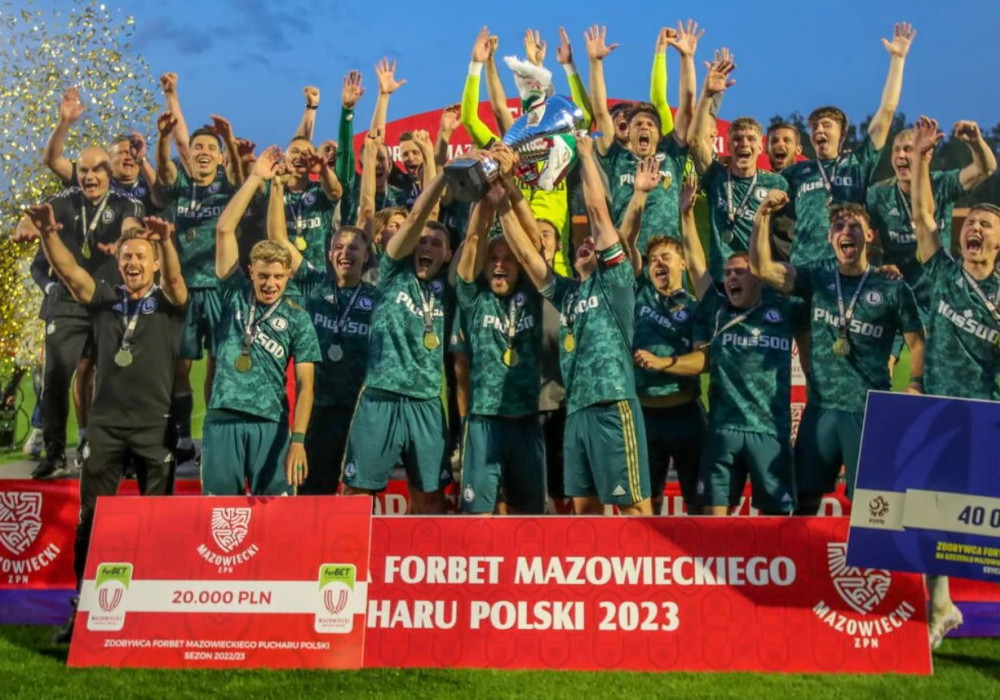
Niezależnie czy prowadzę zespół czy działam w organizacji, pracę rozpoczynam od wyznaczania wartości jakimi będziemy się kierować. W jednym z wywiadów jaki możesz zobaczyć poniżej mówię o wartościach jakie powinnyśmy prezentować w klubie. To był ważny element przekazu nie tylko do kibiców, ale też do zawodników. Ważne, aby stworzyć te wartości wspólnie, aby spajały one zespół.
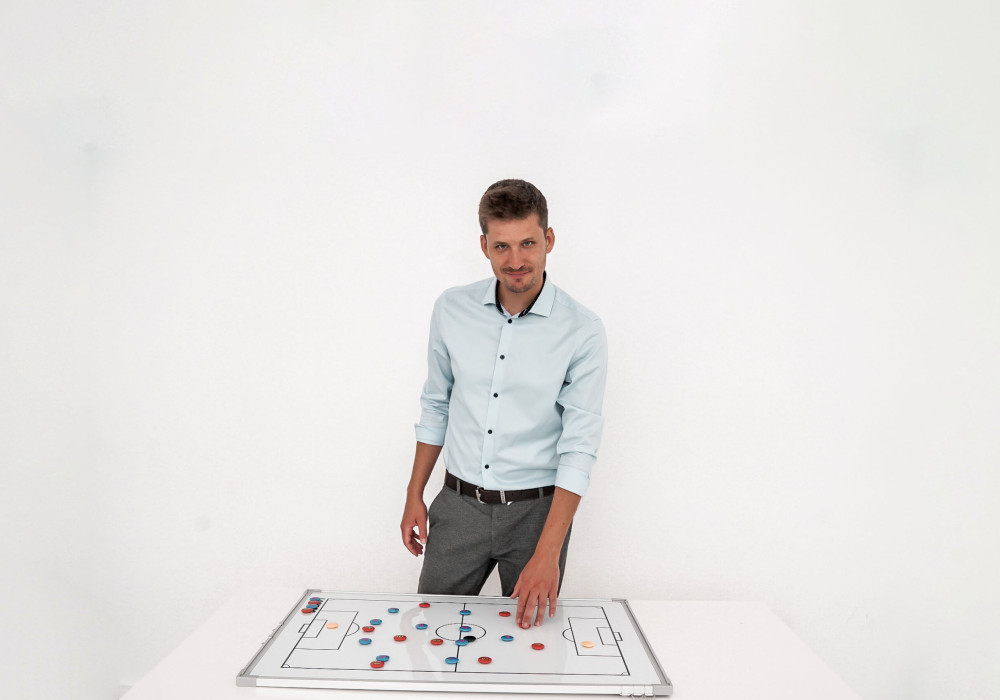
W reprezentacji Polski w ubiegłym sezonie jednym z moich zadań była praca ze środkowymi obrońcami. Skupiałem się głównie na fazie bronienia, gdyż tego wymagali przeciwnicy, z którymi przychodziło nam się mierzyć. Również ze sztabem podjęliśmy decyzje, że będzie to główna faza, na którą stawiamy nacisk.

Podstawą pracy z drużyną jest poznanie ludzi z którymi współpracujemy. Mam tu na myśli nie tylko zawodników ale i sztab trenerski. Jednym z metod jaka może nam pomóc są typy temperamentów: flegmatyk, melancholik, sangwinik, choleryk. Temat na większy wykład. Dla mnie to był game changer w życiu osobistym i zawodowym.
Let’s stay in touch. Write via the form, email, or call.
Konstancin Jeziorna 05-520
tel.: 694 853 382
E-mail: lukasz.pachelski@gmail.com