
Opposition analysis in football starts long before the team meeting - it starts with tagging the opponent's matches.
In this post I show how I do it with the Poland U-20 national team: how I split a rival's match into phases of play, how I add context to each of them and how a few hundred clips turn into 2-3 conclusions we take onto the training pitch.
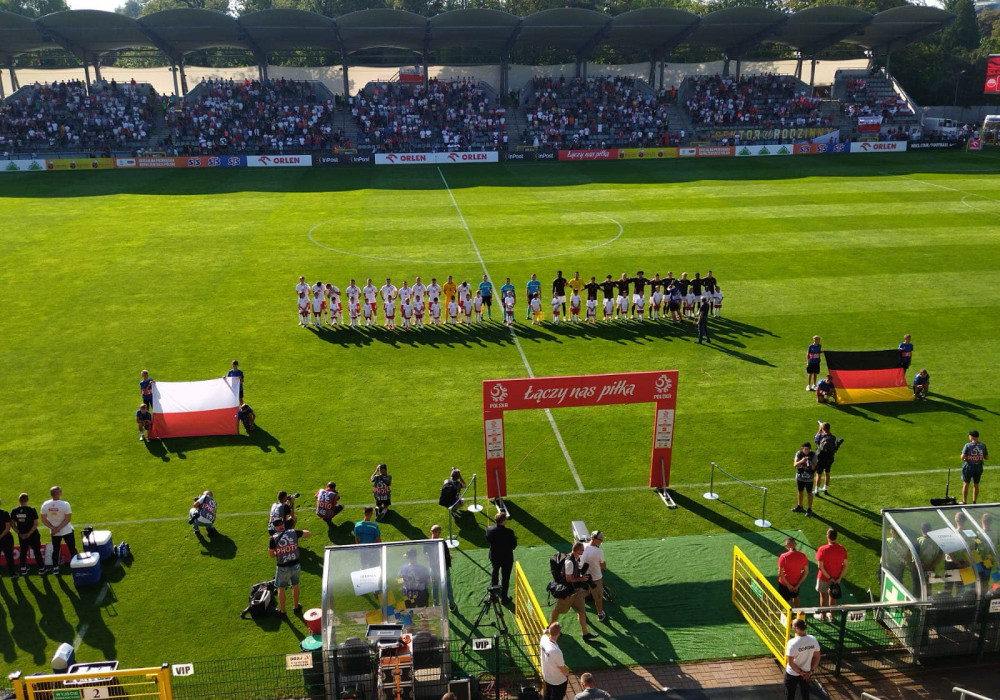
The latest example: on Saturday 26 September we beat Portugal U-20 3:1. Portugal won the last two editions of the U-20 Elite League, and their squad included Mateus Mané of Wolverhampton - valued at 20 million euros by Transfermarkt, twice as much as our whole squad.
The game was even and both teams had a similar number of chances. The difference was tactical preparation and determination.
With Poland U-20 I am responsible for opposition analysis. The match plan is set by the whole staff, led by head coach Miłosz Stępiński, and I prepare the material for it.
Opposition analysis has four goals:
Based on that, I try to predict what the game will look like and answer two questions: how can we score, and how can we concede? That gives us the match plan and 1-2 key behaviours in each phase of play that we work on with the team.
Opposition analysis always happens in context. Before I start watching the rival, I know how our team plays - what our game model is. Only then do I lay the opponent's organisation on top of it: what shape they use and how they function within it.
Our game model is a set of tools. After analysing the opponent, we pick the ones that fit this particular match best.
I tag the opponent's matches by phases of play:
For the players I simplify it to two parts: building up in our half and building up in the opponent's half. The staff gets the full breakdown, the players get as much as they need on the pitch.
The phase of play alone is not enough. To each phase I add context: what the rival's opponent is doing at that moment. I don't just look at how Portugal build up from the back.
I look at how they build up in their own half against a team that presses them man-to-man, and against a team that defends the way we do. The second one is the most valuable, because it is closest to what the rival will face against us.
That is why, when I choose matches to watch, I always look for at least one game against a team similar to us - in league position, style of play or shape.
In a match I look for three kinds of situations:
For some clips I write a comment straight away, others I only tag, to capture how often something happens. I mark actions with a plus or a minus - whether they ended well from the rival's point of view. When needed, I watch the cut clips again, phase by phase.
From each phase I pick two, at most three things - team principles or individual behaviours - that we can train or exploit in this particular match. A database of a few hundred clips ends up as a few conclusions.
You can't implement more in a few days of a national team camp, and not in a single club microcycle either.
I only pick what we are able to implement. This is where you need to be creative: the solutions have to be possible for our players and built on their strengths.
When these conclusions reach the players during the week before the game is something I described in my post about the analysis microcycle: https://pachelski.com/en/blog/mikrocykl-analityczny-kiedy-jaka-analize-robic-w-tygodniu
Portugal defend with a back four and don't mark in the box. The conclusion for us: we want to score from a cross to the far post.
In the 54th minute we created the first situation like that:
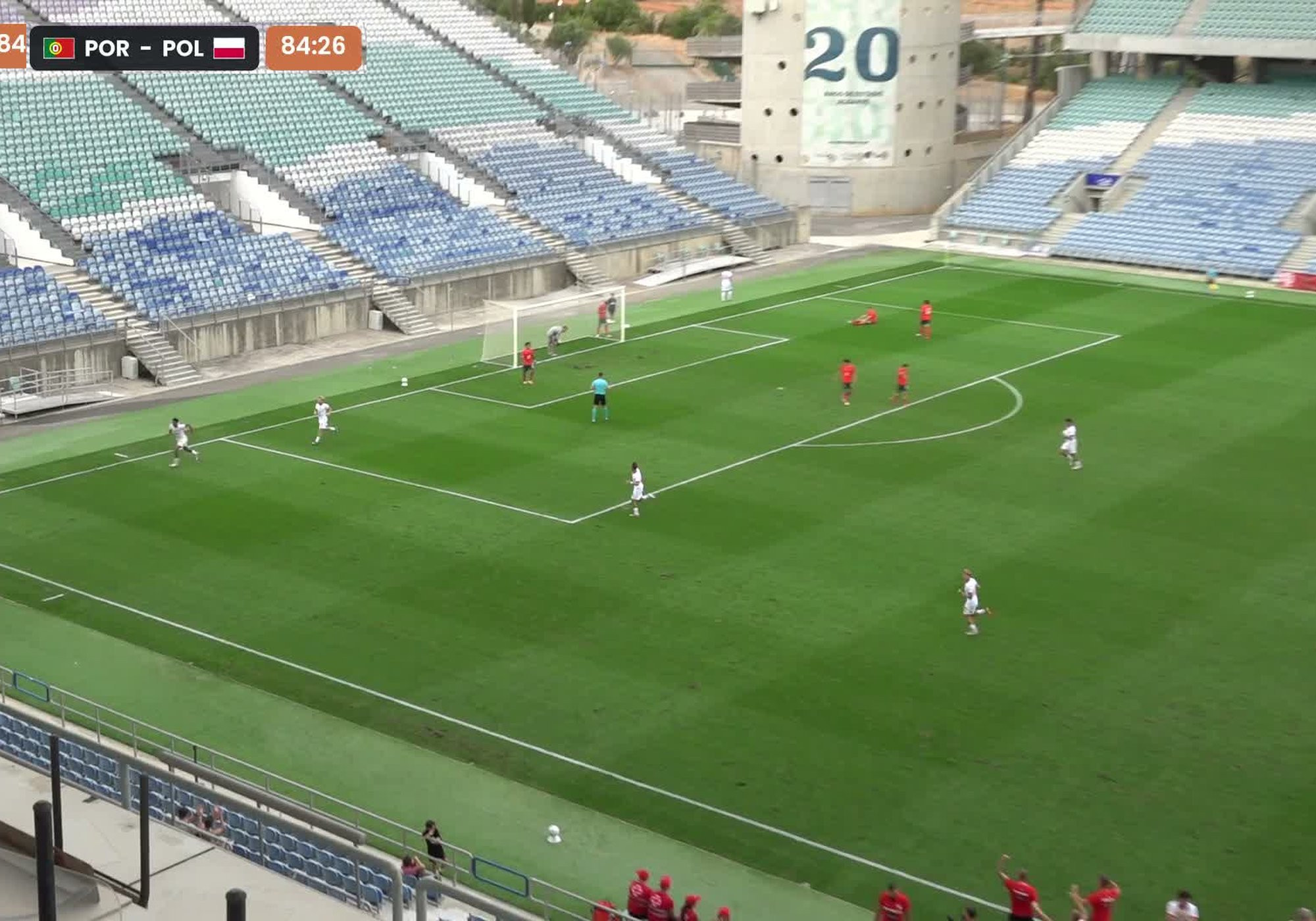
In the 84th minute it brought us a goal:
That is the path from analysis to a goal: a phase of play, the opponent's context and one concrete conclusion.
Opposition analysis starts with our own game model and ends with a few conclusions you can train. In between there is tagging by phases of play - always with the opponent's context - and selection: out of a few hundred clips, 2-3 things per phase are left.
🎯 Opposition analysis is not a list of everything the rival does. It is 2-3 things in each phase that you can train before the game.
In the next post: how I choose the rival's matches and how I turn this analysis into a presentation for the staff and a 5-minute team meeting for the players.
In 2027 I will run only two editions of Mentoring Analiza PRO (in Polish), up to 20 people each - a whole module of the programme is devoted to opposition analysis. Registration opens in December, and people on the waiting list will hear about it first: https://analiza.pachelski.com/wideo
The edition 3 group is full, we start on 13 October. In 2027 I will run only two editions, each for up to 20 people. You can join the waiting list now.
The analysis microcycle in practice: a day-by-day week of analysis with Poland U-20 and where to start with a two-person staff and no analyst.
A football analysis and tactics course for coaches, analysts and former players. Programme, Special Guests and participants' opinions. Edition 4 - March 2027, sign-ups from December.

Would you have to choose - fitness or tactics?
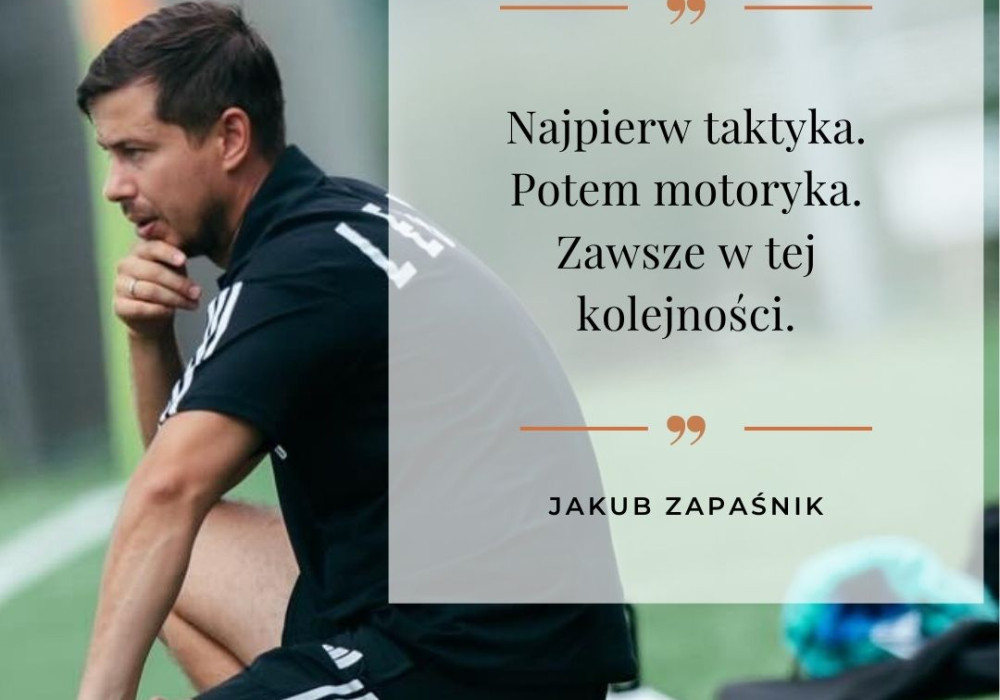
Kuba Zapaśnik - a coach with whom we won the U15 Polish Championship - answered without hesitation: "I try to meet the fitness goals. But if I had to choose - I will always choose to make sure the tactical and technical topics align."
In 2027 I will run only two editions of Mentoring Analiza PRO, each for up to 20 people. Edition 4 starts on 2 March 2027, sign-ups from December.
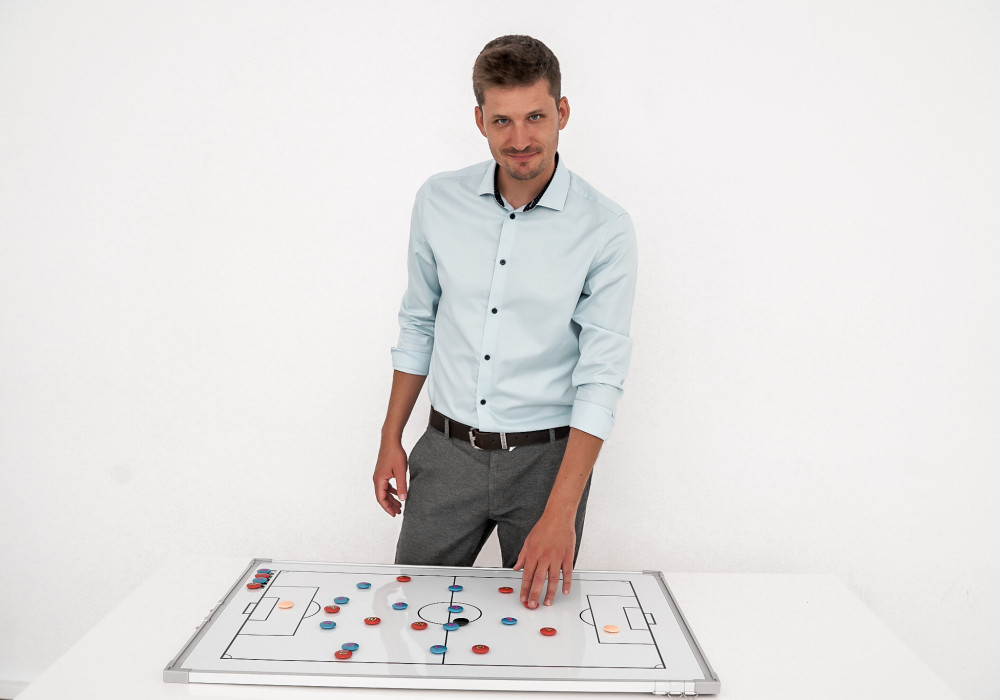
After 6 years I have finished my daily work at the Legia Warsaw Academy. Why, what I am doing now with the Poland U-20 team and what project I am preparing.
After 6 years I am leaving Legia Warsaw. What we managed to build and who I want to thank.
An interview that goes beyond the pitch: values, leadership, balancing work and family, and a few personal stories.
A Polish Championship semi-final in my sixth season at Legia - and why games like that are priceless for players.
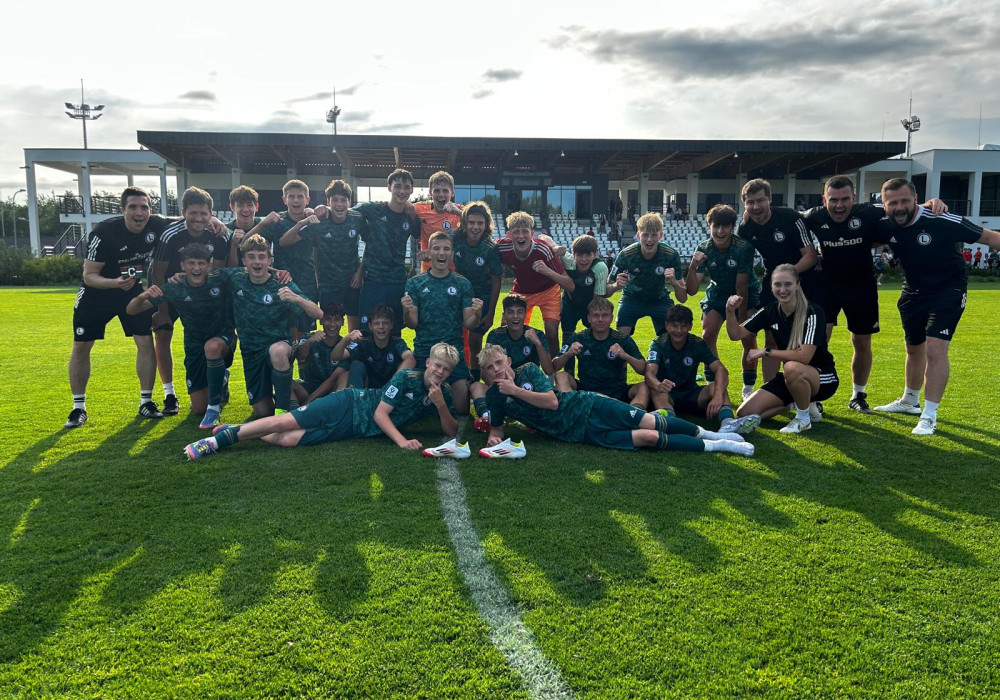
Twice a year we opened the Legia Academy to coaches. Why it paid off - for the coaching community, for the club and for our own staff.
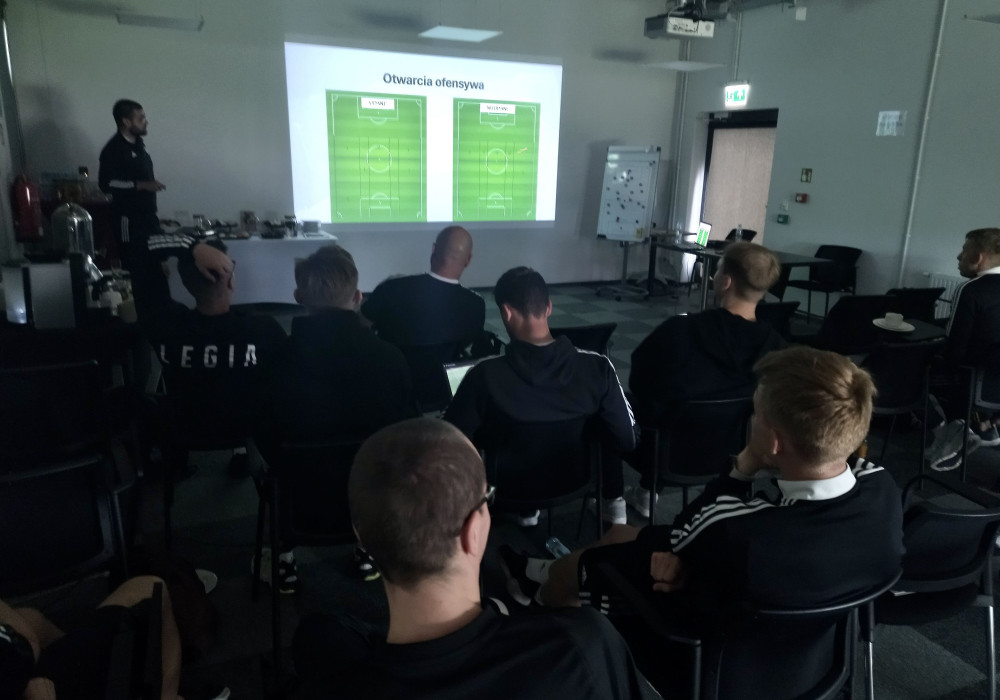
Coaches learn a lot, but the hardest part is taking that knowledge onto the pitch. Five ways of learning by doing that I tested in an academy.

The story of a missionary who swam across a river, and why a coaching staff works the same way: people watch what you do, not what you say.

The result does not show whether a team is developing. How to choose an area and a simple indicator for long-term analysis - with the example I use.

Two or three clips in the dressing room or on the pitch, 5 minutes at most. This is microdosing analysis with players and why it works.
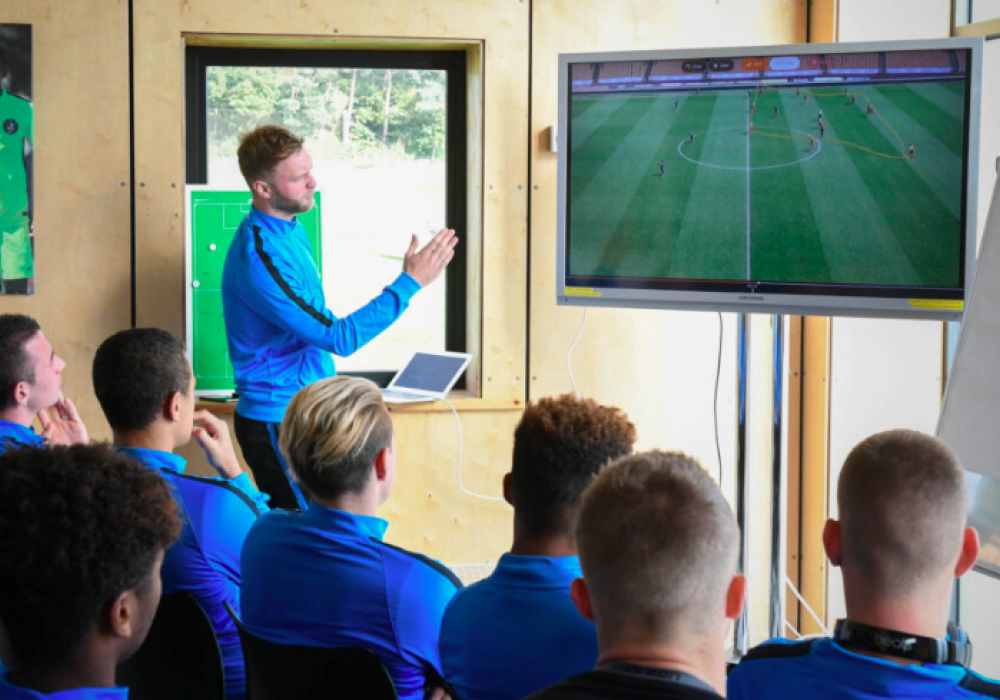
A question from a podcast that changed my perspective: why should anyone follow you?

Notes from a course at Chemik Bydgoszcz: when, how and why a player supports a teammate on the ball - with clips.

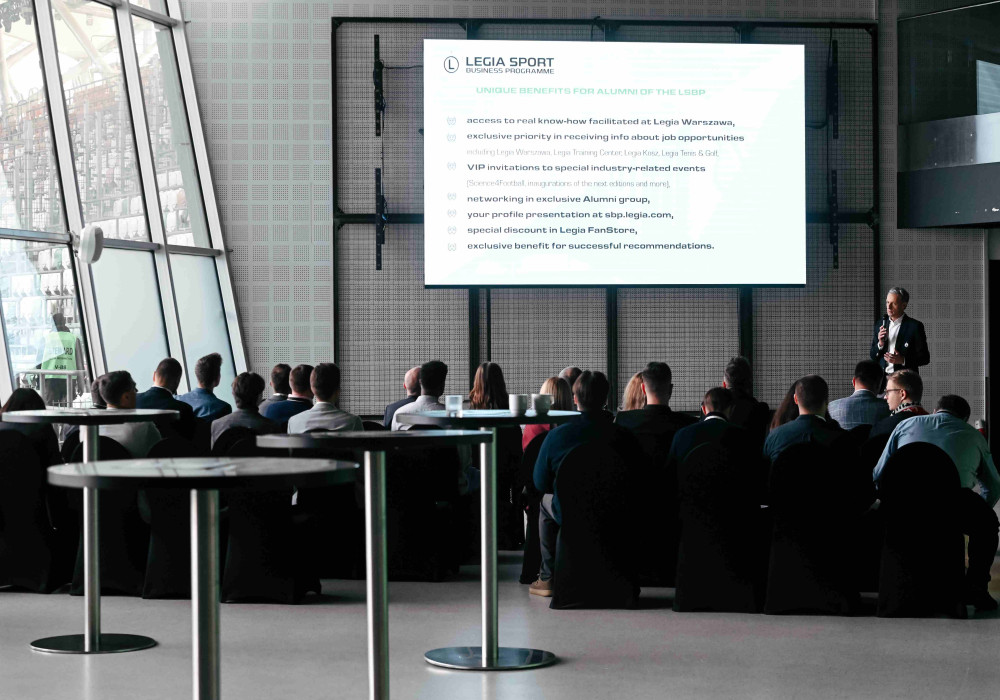
The most interesting things from the Legia Sport Business Programme: the scale of sports business, what has changed sport in recent years and why data will matter more and more.
How we taught defenders in the Poland U-20 team to defend against long balls: when to let the ball run, key details and two training exercises.
De Zerbi's teams can counter-attack while in possession in a positional attack. The Brighton example and Pep Guardiola's comment.
After the pass, watch the opponent, not the ball. Three details in defending against the one-two - using the Italy U-20 team as an example.
12 of Legia's 18 games in the first half of 2023 were decided by one goal. Why organisational culture decides long-term success.

A tree in the garden, milestones instead of one big goal and a focus on the process. Why thinking only about the result doesn't bring the result.
1v1 defending and closing down using Tomasz Kędziora as an example - and how a player should decide whether to step out to an opponent.

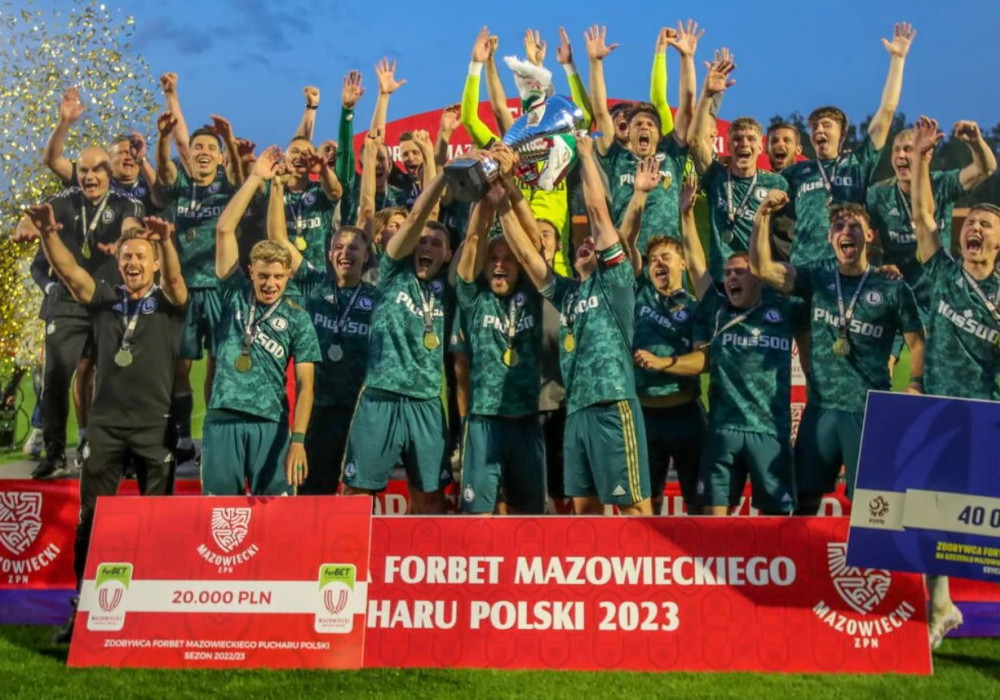
After winning the Mazovian Polish Cup, John Wooden's definition of success came back to me - along with the question of whether we really gave everything.
I start work with every team by setting values. How to set them, how many to have and how to come back to them in difficult moments.
One week of camp, opponents from the world's top and the 4 defending elements I chose in my work with centre-backs.
Choleric, sanguine, phlegmatic, melancholic - how knowing temperaments helps me in the dressing room and in building a staff.
Let’s stay in touch. Write via the form, email, or call.
Konstancin Jeziorna 05-520
tel.: 694 853 382
E-mail: lukasz.pachelski@gmail.com